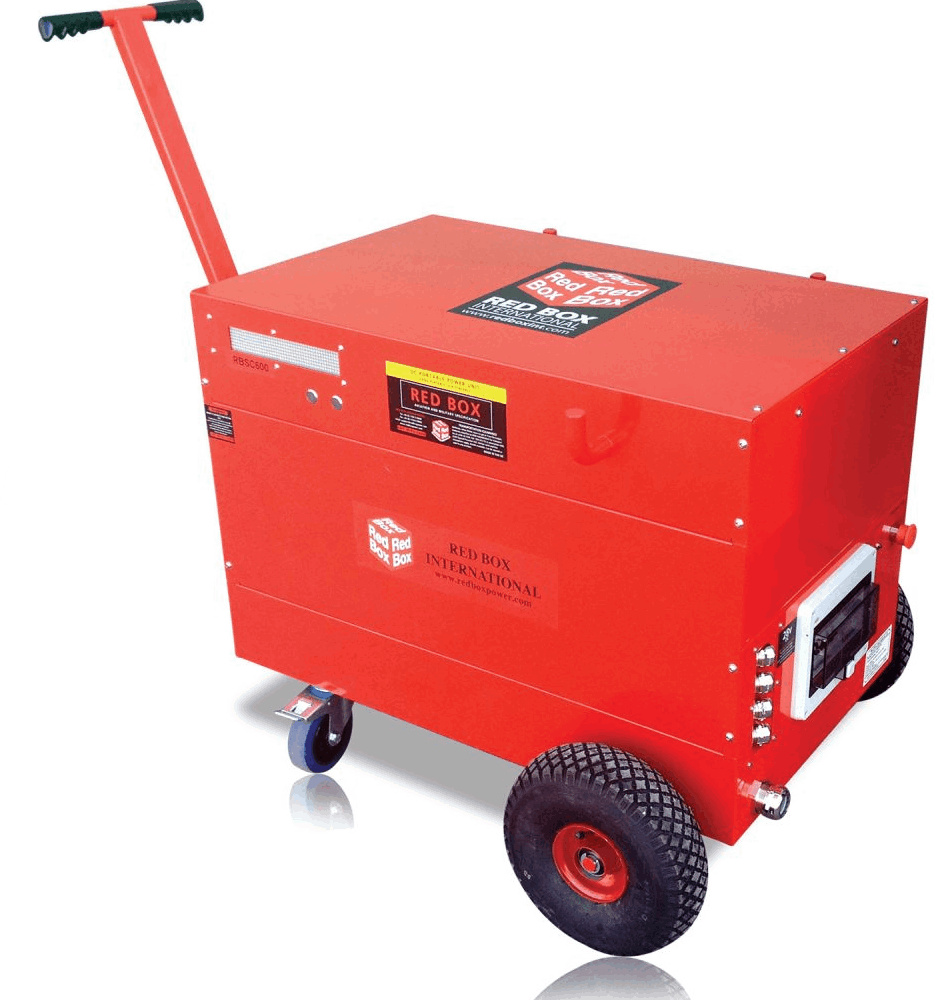
Ground Power Units: Providing Reliable Power for Aircraft on the Ground
Aircraft depend on electrical power for far more than operating their engines. Avionics, cockpit instrumentation, lighting, communications and numerous other onboard systems may need to operate while an aircraft is parked. During maintenance or preparation for flight, supplying this electricity efficiently can be an important part of ground operations.
Ground Power Units provide aircraft with an external source of electrical power when their engines or onboard auxiliary power systems are not being used. Commonly referred to as GPUs, these systems are found at airports, maintenance facilities, military installations and other aviation environments. Depending on operational requirements, they can be mobile, fixed or incorporated into wider airport ground-power infrastructure.
The principle is straightforward: connect an external electrical source to the aircraft so compatible onboard systems can operate without relying entirely on aircraft-generated power.
The engineering requirements, however, can be considerably more specialised. Aircraft electrical systems can operate at voltages and frequencies different from conventional mains electricity, meaning ordinary generators or electrical supplies cannot necessarily be connected directly.
Many commercial aircraft use 115/200V AC electrical systems operating at 400 Hz. Other aircraft and applications can require DC power, including systems associated with 28V DC architectures. The correct output therefore needs to be established for the aircraft being supported.
Power capacity matters as well. A unit used primarily for maintenance on smaller aircraft can face very different loads from equipment supporting a large commercial aircraft during turnaround operations.
Different Types of Ground Power Unit
Mobile engine-driven GPUs are one of the most recognisable forms of aircraft ground-support equipment. These units combine an engine with generating equipment capable of supplying electricity with the characteristics required by compatible aircraft.
Mobility provides an obvious advantage.
The same unit can potentially be moved between aircraft stands, hangars and other operational areas. This makes mobile equipment useful where permanent ground-power infrastructure is unavailable or where aircraft locations frequently change.
Self-contained generation can also be important at remote locations because the equipment does not depend on a suitable nearby electrical supply.
The disadvantage is that an engine-driven unit requires fuel and routine mechanical servicing. Operation also generates noise and local exhaust emissions.
Fixed electrical ground power provides another approach.
At suitably equipped airports, electricity can be taken from the site's electrical infrastructure and converted into the power required by the aircraft. Frequency converters can transform conventional mains-frequency electricity into the 400 Hz supply used by many aviation systems.
Fixed equipment can be positioned around the aircraft stand or integrated into passenger boarding infrastructure. This reduces the need to move a separate engine-powered GPU into position each time an aircraft arrives.
Mobile electrically powered units provide another possibility. Instead of incorporating a combustion engine, equipment can use an external electrical input and appropriate power electronics to produce the required aircraft output.
Battery-based Ground Power Units are also becoming relevant to certain applications. Stored electrical energy can provide a mobile power source without requiring an engine to operate continuously alongside the aircraft.
Battery capacity, charging infrastructure and expected operating duration need to be considered carefully. The technology needs to provide sufficient power for the aircraft and duty cycle involved.
Each configuration therefore has advantages and limitations. The appropriate choice depends on aircraft type, airport infrastructure, required mobility, operating frequency and expected power demand.
Selecting and Operating Ground Power Equipment
Electrical compatibility should be one of the first considerations when selecting a GPU.
The equipment needs to provide the correct AC or DC output, voltage and, where applicable, frequency. The connector arrangement must also be compatible with the aircraft.
Power capacity should then be matched to expected demand.
Aircraft electrical loads can vary substantially depending on which systems are operating. Maintenance engineers might energise specific avionics for testing, while turnaround operations could require several aircraft systems simultaneously.
The equipment should be capable of handling expected operating loads without continuously working beyond its intended capacity.
Power quality is equally important.
Sensitive aircraft electronics need a stable supply. Ground equipment can therefore incorporate monitoring and regulation designed to maintain voltage and frequency within acceptable operating limits.
Protective systems can respond when output conditions become unsuitable. Depending on the equipment, monitoring may cover overvoltage, undervoltage, frequency conditions, excessive current and other electrical abnormalities.
Preventing unsuitable electrical power from reaching an aircraft is an important part of the equipment's function.
Cables and connectors deserve particular attention because they form the physical connection between the GPU and aircraft.
Ground power cables can be substantial because they need to carry significant electrical loads. They are also repeatedly deployed, moved and stored throughout everyday operations.
This exposes them to mechanical wear.
Cable insulation should therefore be inspected for cuts, abrasion and other deterioration, while connectors should be checked for damage, contamination and signs of overheating.
Cable routing matters as well.
An aircraft stand may simultaneously contain baggage handling vehicles, passenger steps, refuelling equipment and maintenance personnel. Electrical cables need to be positioned so that they do not create unnecessary trip hazards or become vulnerable to being driven over.
Mobile GPUs also need to be positioned safely around the aircraft.
Ground-support vehicles should remain clear of sensitive aircraft structures while still allowing cables to reach the external power connection without excessive tension.
Operating procedures should cover both connection and disconnection.
Aircraft and ground personnel need to know when external power is available and when it is safe to connect or remove the supply. Appropriate procedures reduce the risk of electrical faults and accidental equipment damage.
Maintenance applications can place particular demands on GPUs.
Avionics diagnostics, software procedures and electrical testing may require aircraft systems to remain powered for substantial periods. Stable external power allows this work to take place without continually operating aircraft engines or onboard auxiliary generation.
Reliability therefore becomes particularly important.
An unexpected interruption during maintenance can delay engineering procedures and potentially require testing to be repeated.
Preventative servicing should reflect the type of GPU being used.
Engine-driven units require maintenance of both the engine and electrical generating equipment. Filters, fluids, cooling systems, starting equipment and fuel systems can all require routine attention.
Electrical converters have fewer conventional engine components but still require maintenance. Cooling systems are particularly important because power electronics can generate significant heat.
Ventilation paths need to remain clear, and cooling fans or filters should be inspected where fitted.
Battery-powered equipment introduces different maintenance considerations, including battery condition, charging performance and energy-storage management.
Environmental conditions also affect ground equipment.
GPUs can spend much of their working lives outdoors, where they are exposed to rain, cold temperatures, summer heat and airborne contamination. Mobile equipment additionally experiences vibration and shock as it is moved around airport surfaces.
Equipment should therefore be specified for the environment in which it will actually operate rather than assuming sheltered indoor conditions.
Noise and emissions are becoming increasingly important factors in ground-support operations.
Airports can have numerous vehicles and pieces of engine-driven equipment operating around aircraft simultaneously. Reducing the number of combustion engines running on the apron can contribute to lower local noise and emissions.
Fixed electrical and battery-based ground power can form part of this transition where operational requirements and infrastructure permit.
Economics need to be considered alongside environmental performance.
A mobile diesel GPU can provide substantial flexibility without requiring extensive fixed infrastructure. At a heavily used aircraft stand, however, fixed electrical ground power may offer advantages because equipment is required repeatedly in the same location.
Utilisation therefore influences the most appropriate solution.
Availability should also form part of planning. If ground power is operationally critical, facilities may require backup capacity to accommodate scheduled maintenance or unexpected equipment failure.
For airports supporting several aircraft simultaneously, this can involve managing a fleet of units with different capacities and output configurations.
Clear equipment identification can reduce the risk of selecting an inappropriate GPU for a particular aircraft.
Operator training is equally important. Personnel should understand the controls, warning indicators, safe positioning, cable handling and procedures required if the equipment detects a fault.
As aviation continues to adopt greater electrification, the requirements placed on ground infrastructure may increase. Improvements in power electronics and battery technology could also change how external aircraft power is generated, stored and distributed.
Despite these developments, the underlying purpose of Ground Power Units remains unchanged. They provide a controlled external source of electricity that allows aircraft systems to operate while the aircraft remains on the ground. Selecting equipment with the correct electrical output, capacity and protection—and maintaining cables, connectors and generating systems properly—can support dependable maintenance, servicing and aircraft turnaround operations.